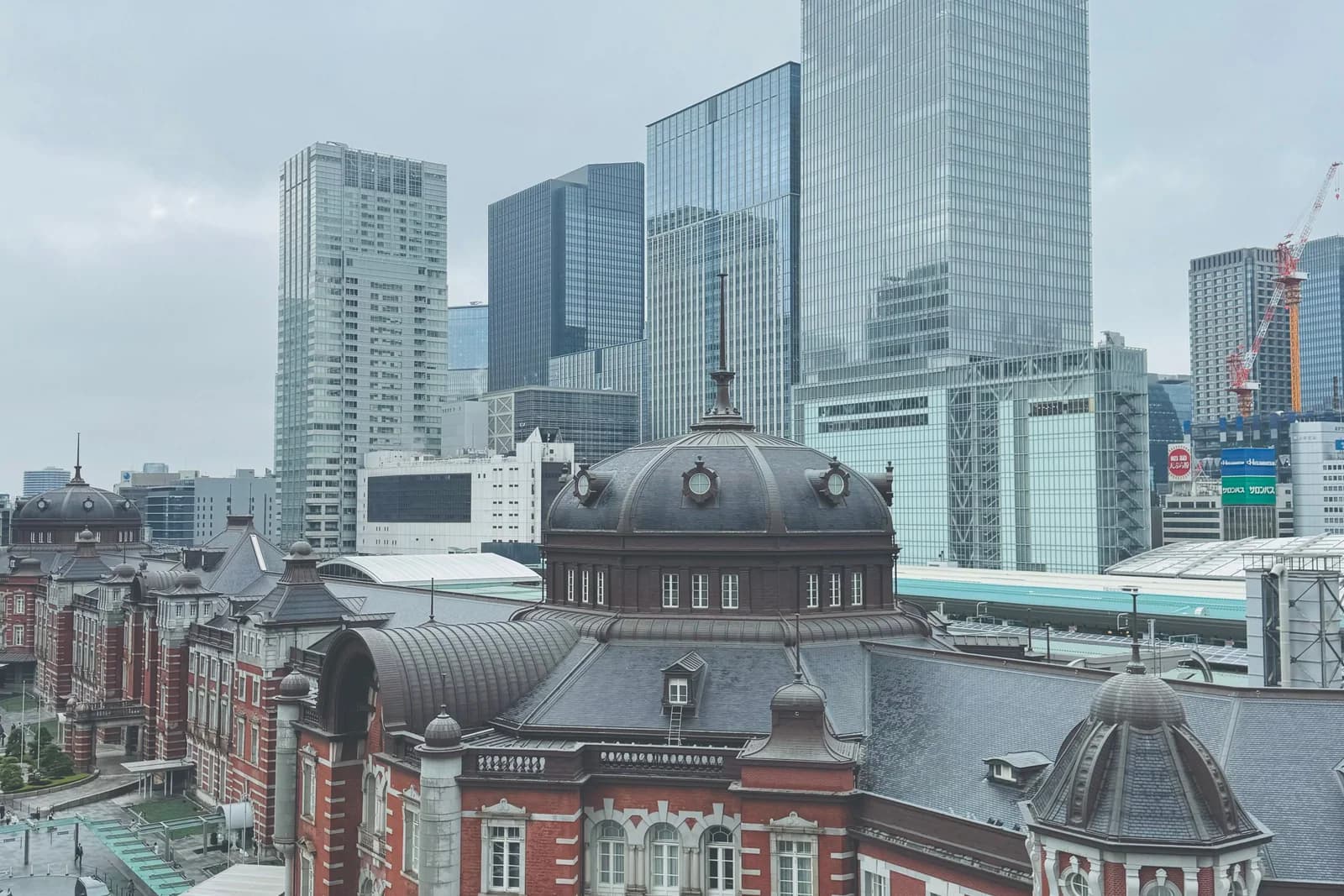
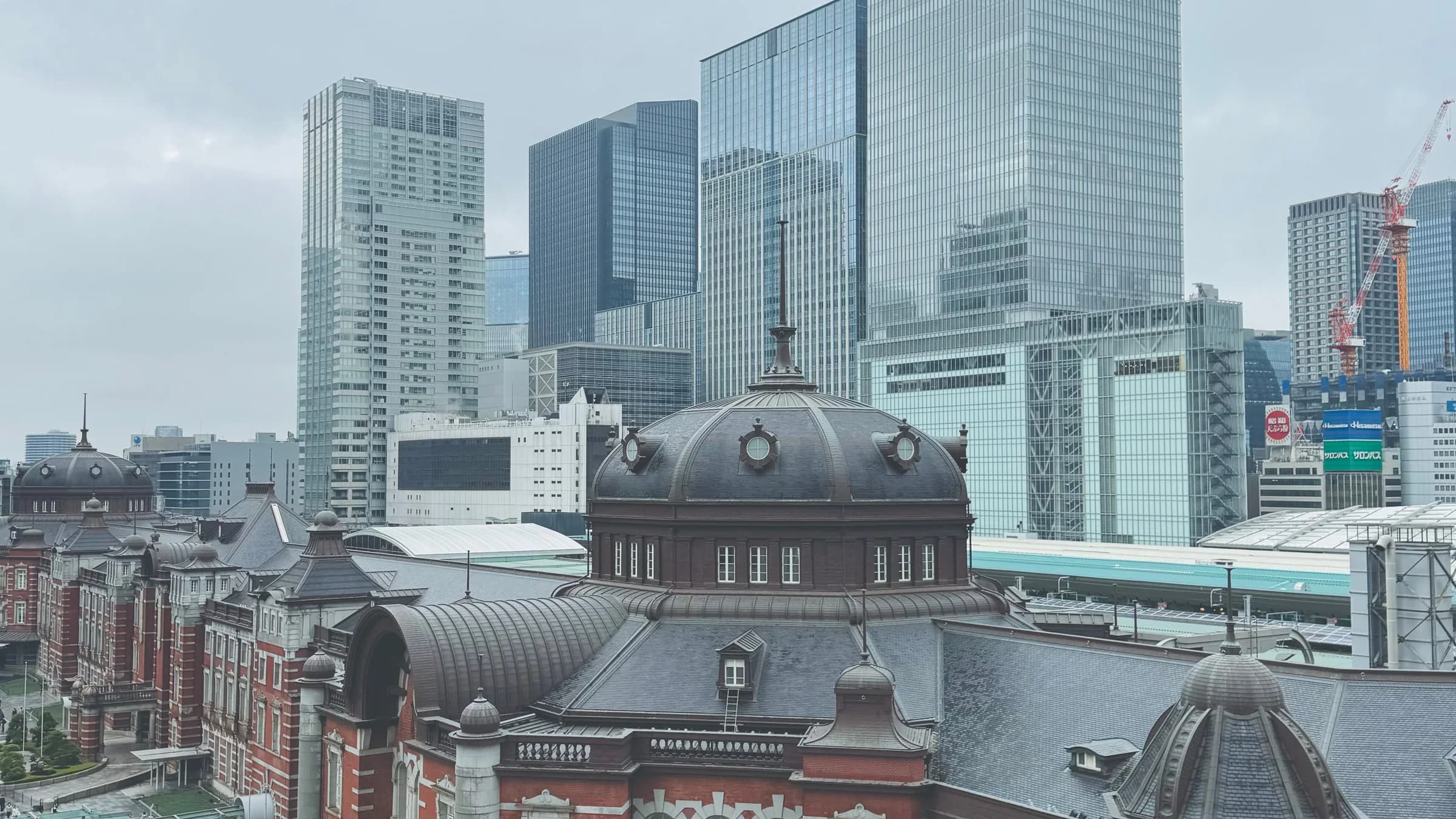
Tokyo Station and the Marunouchi skyline in central Tokyo
Photo by Cheng / Pexels

Tokyo Decision Pack

Where to Stay in Tokyo for Your First Japan Trip

Choose the Tokyo area that fits your arrival route, luggage, travel style, and plans beyond the city.

Last reviewed: July 30, 2026

Short answer

If you just want the short answer

Start here, then use the selector if your airport, luggage, or onward route changes the answer.

Best default for many first-timers

Shinjuku

Shinjuku is the easiest comparison anchor for many first-time travelers because it combines transport, food, shopping, and nightlife.

Trade-off: The trade-off is that the station area is large and can feel stressful with luggage.

Best for old Tokyo atmosphere

Asakusa or Ueno

Asakusa and Ueno often work well when temples, markets, parks, museums, and eastern Tokyo access matter.

Trade-off: The trade-off is more transfer time if most nights are in Shibuya or Shinjuku.

Best for shopping and nightlife

Shibuya

Shibuya is best if you prioritize the modern, energetic Tokyo image with shopping, cafes, and late options.

Trade-off: The trade-off is that quiet-first travelers may find the pace tiring.

Best for comfort and onward travel

Ginza / Tokyo Station

Ginza / Tokyo Station may feel easier when polished streets, restaurants, taxis, and rail logistics matter.

Trade-off: The trade-off is higher cost and a calmer mood than nightlife hubs.

Best for Shinkansen access

Tokyo Station or Shinagawa

Tokyo Station and Shinagawa are best if you prioritize direct movement toward Kyoto, Osaka, or other rail plans.

Trade-off: The trade-off is that Shinagawa feels more transport-first than atmospheric.

Best for dining, art, and premium hotels

Akasaka / Roppongi

Akasaka / Roppongi often works well for couples or adults who want dining, art, hotels, and evening options.

Trade-off: The trade-off is a less straightforward first-time mental map.

Decision selector

Find the area that fits your trip

Answer six practical questions. The result includes a reason and a trade-off, not a universal best claim.

Question 1 of 60% complete

Is this your first time in Japan?

Compare areas

Area comparison matrix

Use this as a decision aid. The values are editorial summaries, while official area facts are listed in the source register below.

Tokyo stay areas compared by first-time travel factors.
AreaFirst-time easeTransportAirport accessShinkansenLuggage stressNightlifeQuietnessLocal characterPremium comfortMain drawback
ShinjukuHigh if you prioritize convenienceVery strongGood, route-dependentMediumHigherVery strongLowerModern, intense TokyoStrong in selected pocketsLarge station and busy streets
ShibuyaMedium-high for energetic travelersStrongMediumMedium-lowHigherVery strongLowerModern and iconicMedium-highBusy and not old-Tokyo focused
UenoHigh for culture and practicalityStrongStrong for Narita contextMediumMediumMediumMedium-high by Tokyo standardsPractical and culturalMedium-lowLess polished luxury feel
AsakusaHigh for atmosphereMediumMedium, route-dependentMedium-lowMediumMedium-lowMedium-highVery strongMediumMore transfers for western Tokyo
Ginza / Tokyo StationVery high for comfortVery strongStrongVery strongLower if hotel route is directMediumMedium-highPolished central TokyoVery strongHigher cost and calmer mood
Akasaka / RoppongiMediumStrong by subwayMediumMediumMediumStrongVaries by blockDining, art, internationalStrongLess straightforward mental map
ShinagawaHigh for logisticsStrongVery strong for HanedaVery strongLower with direct hotel routeLowerMedium-highTransport-firstMedium-highLess inspiring neighborhood feel

Shinjuku

First-time easeHigh if you prioritize convenience
TransportVery strong
Airport accessGood, route-dependent
ShinkansenMedium
Luggage stressHigher
NightlifeVery strong
QuietnessLower
Local characterModern, intense Tokyo
Premium comfortStrong in selected pockets
Main drawbackLarge station and busy streets

Shibuya

First-time easeMedium-high for energetic travelers
TransportStrong
Airport accessMedium
ShinkansenMedium-low
Luggage stressHigher
NightlifeVery strong
QuietnessLower
Local characterModern and iconic
Premium comfortMedium-high
Main drawbackBusy and not old-Tokyo focused

Ueno

First-time easeHigh for culture and practicality
TransportStrong
Airport accessStrong for Narita context
ShinkansenMedium
Luggage stressMedium
NightlifeMedium
QuietnessMedium-high by Tokyo standards
Local characterPractical and cultural
Premium comfortMedium-low
Main drawbackLess polished luxury feel

Asakusa

First-time easeHigh for atmosphere
TransportMedium
Airport accessMedium, route-dependent
ShinkansenMedium-low
Luggage stressMedium
NightlifeMedium-low
QuietnessMedium-high
Local characterVery strong
Premium comfortMedium
Main drawbackMore transfers for western Tokyo

Ginza / Tokyo Station

First-time easeVery high for comfort
TransportVery strong
Airport accessStrong
ShinkansenVery strong
Luggage stressLower if hotel route is direct
NightlifeMedium
QuietnessMedium-high
Local characterPolished central Tokyo
Premium comfortVery strong
Main drawbackHigher cost and calmer mood

Akasaka / Roppongi

First-time easeMedium
TransportStrong by subway
Airport accessMedium
ShinkansenMedium
Luggage stressMedium
NightlifeStrong
QuietnessVaries by block
Local characterDining, art, international
Premium comfortStrong
Main drawbackLess straightforward mental map

Shinagawa

First-time easeHigh for logistics
TransportStrong
Airport accessVery strong for Haneda
ShinkansenVery strong
Luggage stressLower with direct hotel route
NightlifeLower
QuietnessMedium-high
Local characterTransport-first
Premium comfortMedium-high
Main drawbackLess inspiring neighborhood feel

Local perspective

What changes the booking decision

These notes are decision guidance, not official tourism facts.

Editorial judgment

The station side matters more than the neighborhood label

A hotel can technically be in a recommended area but still require a difficult first walk. For Tokyo, the best if you prioritize luggage comfort is often the hotel with the clearest exit route.

Fact boundary

Official facts and editorial judgment are separate

Official sources can describe districts and transport context. Whether an area may feel easier, calmer, or more exciting for your trip is editorial judgment based on the decision factors shown here.

Editorial judgment

Late arrivals should bias toward simplicity

If you land late, have larger bags, or are nervous about transfers, choose a base where the final route from airport to hotel is boring in the best possible way.

Commercial note: Some hotel links may be commercial links. Editorial recommendations are written independently and do not depend on commission. Area recommendations remain useful even when partner offers are inactive.

Read the full affiliate disclosure or review the editorial policy.

Area details

Tokyo stay area cards

Each card includes the fit, the trade-off, nearby station context, a booking CTA, and the last verified date.

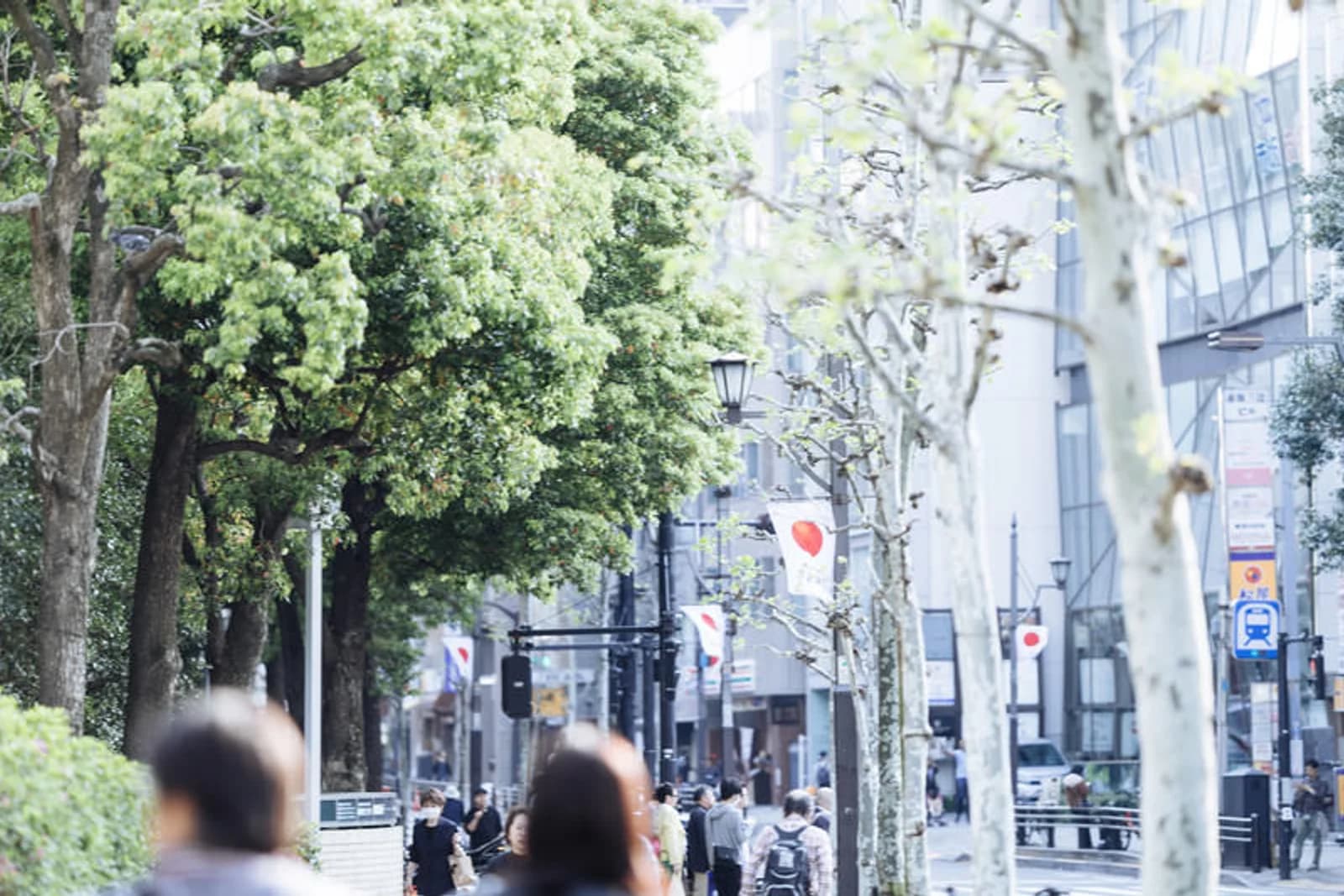
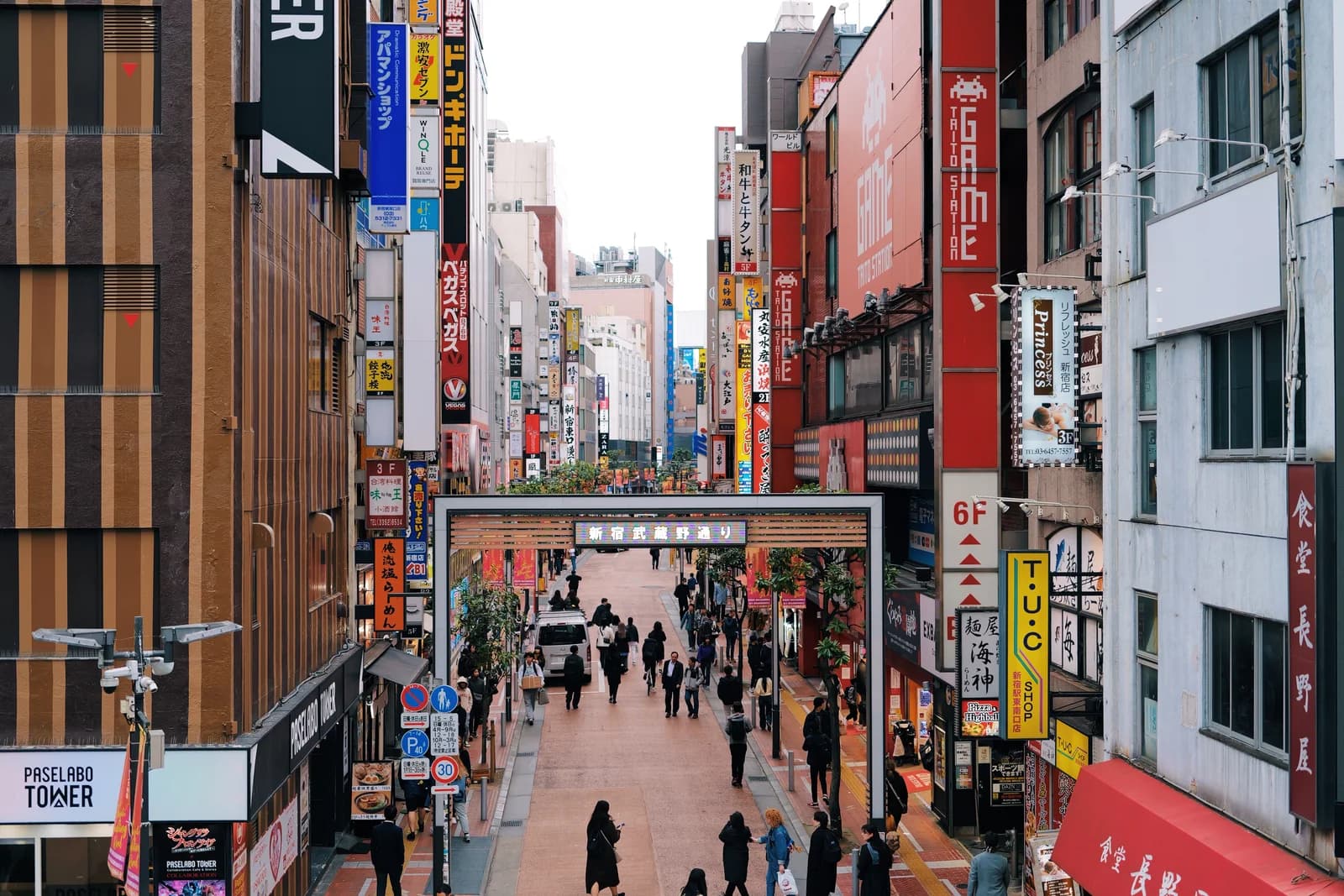
Street and station entrances in Shinjuku, Tokyo
Photo by Tony Wu / Pexels

Stay area

Shinjuku

A strong default for many first-time travelers who want food, shopping, nightlife, and many rail options close by.

Best for

  • first-time visitors
  • nightlife
  • many train options
  • food and shopping

Not ideal for

  • quiet-first travelers
  • simple station navigation
  • large luggage on arrival

Why stay here

Shinjuku often works well when you want Tokyo to feel immediately convenient and energetic, with plenty to do after a day out.

Trade-off

The trade-off is scale. Shinjuku Station and the surrounding exits can feel stressful, especially when arriving tired or carrying larger bags.

Nearby station context

The exact station side and walking route matter. A hotel described as Shinjuku can still be awkward if it sits across a difficult station crossing or exit pattern.

  • Shinjuku Station
  • Shinjuku-sanchome Station
  • Nishi-shinjuku Station

Last verified: July 30, 2026

Read official Shinjuku area context
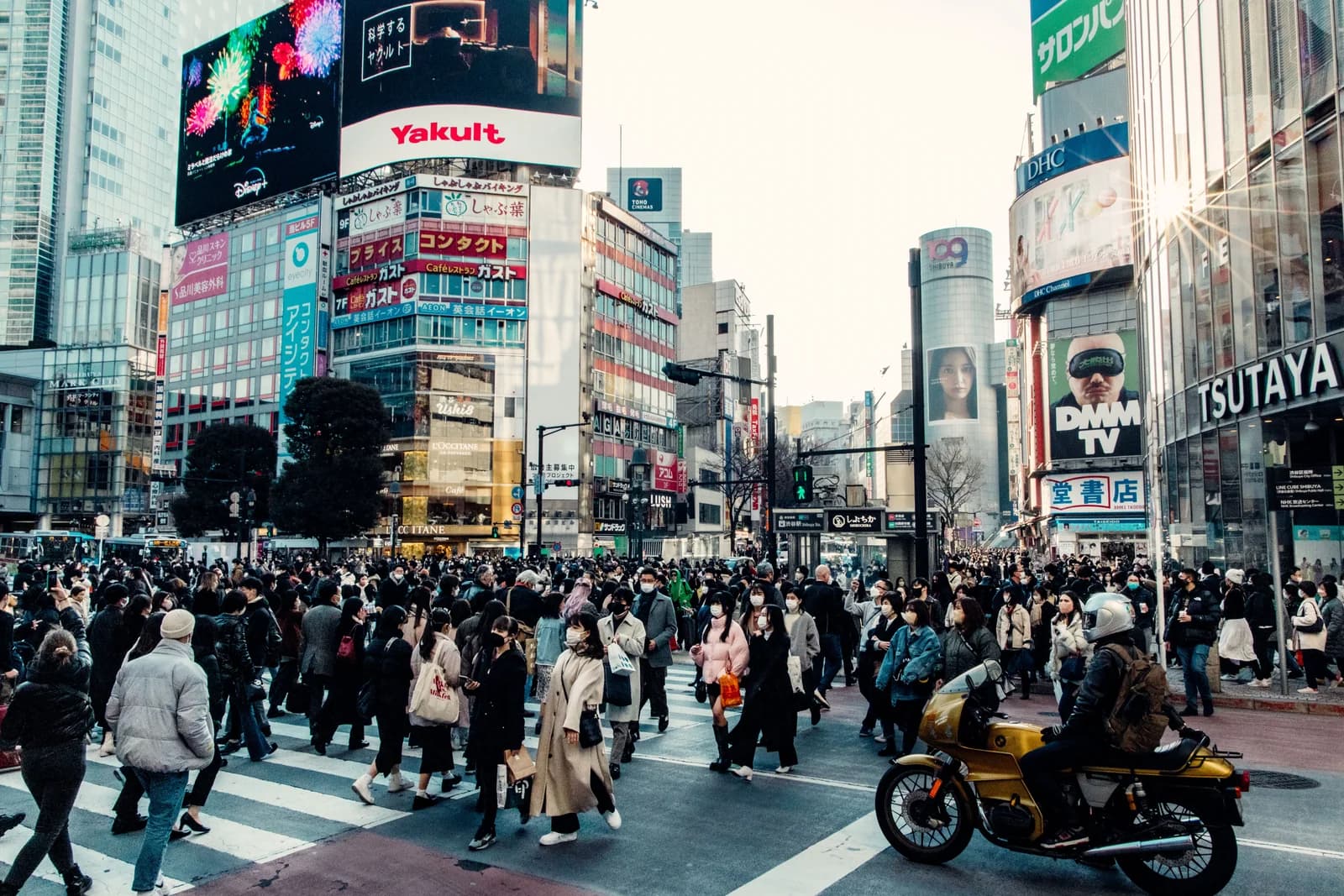
Pedestrians crossing Shibuya Scramble Crossing with the Shibuya 109 building in Tokyo
Photo by Nick Wehrli / Pexels

Stay area

Shibuya

Best if you want the modern, energetic Tokyo image close to shopping, cafes, nightlife, and iconic street scenes.

Best for

  • youth culture
  • shopping
  • nightlife
  • cafes
  • iconic Tokyo scenes

Not ideal for

  • quiet-first travelers
  • old Tokyo atmosphere
  • simplest first-night arrival

Why stay here

Shibuya may feel right if your first Tokyo picture is modern, social, and street-level, with shopping and dining close together.

Trade-off

The trade-off is intensity. Shibuya is exciting, but that energy does not automatically make it the easiest base after a long flight.

Nearby station context

Construction patterns, exits, and hills can make the exact hotel approach matter more than the area name.

  • Shibuya Station
  • Harajuku Station
  • Omotesando Station

Last verified: July 30, 2026

Read official Shibuya area context
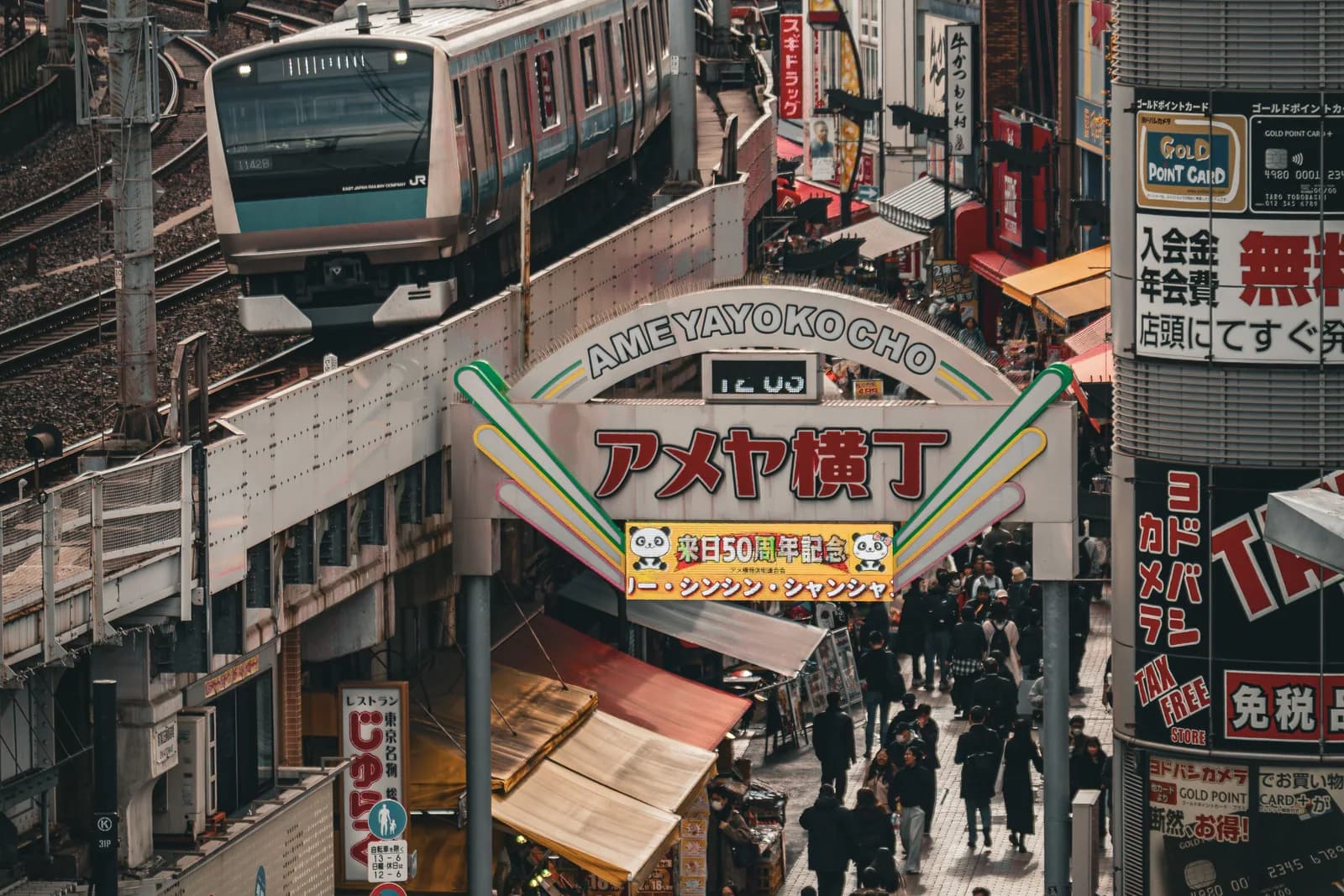
A train passing above the busy Ameyoko market street in Ueno, Tokyo
Photo by Emiliano Lara / Pexels

Stay area

Ueno

A practical cultural base with museums, parks, Ameyoko, and useful access to eastern Tokyo.

Best for

  • museums and parks
  • old-meets-practical Tokyo
  • eastern Tokyo access
  • less intensity

Not ideal for

  • polished luxury-first travelers
  • nightlife-first travelers

Why stay here

Ueno often works well when you want a base that feels practical, cultural, and less overwhelming than the biggest western hubs.

Trade-off

The trade-off is that it may not deliver the glossy modern Tokyo image some first-time travelers imagine.

Nearby station context

Keisei Ueno is useful to understand separately from JR Ueno when planning airport arrival from Narita.

  • Ueno Station
  • Keisei Ueno Station
  • Okachimachi Station

Last verified: July 30, 2026

Read official Ueno area context
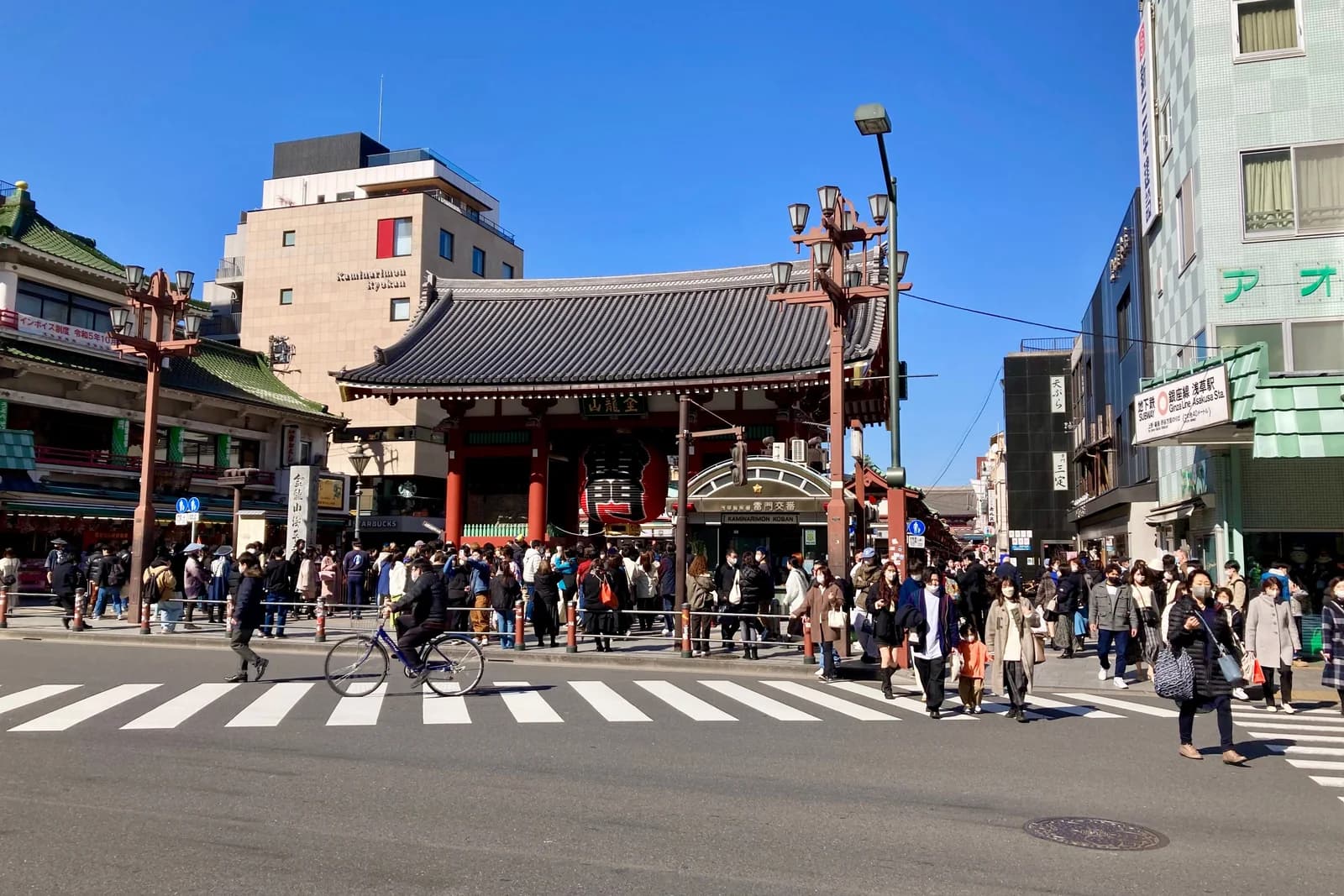
Kaminarimon Gate at Sensoji Temple in Asakusa, Tokyo
Photo by Tatsuo Nakamura / Pexels

Stay area

Asakusa

Best if you prioritize traditional atmosphere, Sensoji, riverside walks, and a strong sense of place.

Best for

  • Sensoji
  • traditional streets
  • riverside walks
  • local atmosphere
  • old Tokyo

Not ideal for

  • many nights in Shibuya or Shinjuku
  • maximum network convenience

Why stay here

Asakusa may feel especially rewarding if you want your first base to feel atmospheric rather than purely efficient.

Trade-off

The trade-off is transfer time. Travelers focused on western Tokyo may spend more time connecting across the city.

Nearby station context

There are multiple Asakusa station entrances and operators, so checking the exact hotel approach matters.

  • Asakusa Station
  • Tawaramachi Station
  • Kuramae Station

Last verified: July 30, 2026

Read official Asakusa area context
Tokyo Station and the surrounding Marunouchi skyline
Photo by Cheng / Pexels

Stay area

Ginza / Tokyo Station

Best if you prioritize polished streets, comfort, shopping, restaurants, and onward rail travel.

Best for

  • premium comfort
  • Shinkansen connections
  • shopping
  • rail convenience
  • calmer city feel

Not ideal for

  • budget-sensitive travelers
  • nightlife-first travelers

Why stay here

Ginza and Tokyo Station often work well when friction matters more than edgy atmosphere, especially before or after a rail-heavy itinerary.

Trade-off

The trade-off is cost and mood. The area can feel polished and convenient, but not as youthful or late-night as Shinjuku or Shibuya.

Nearby station context

For Shinkansen plans, distance to Tokyo Station or an easy taxi route can matter more than the district label.

  • Tokyo Station
  • Ginza Station
  • Yurakucho Station
  • Higashi-ginza Station

Last verified: July 30, 2026

Read official Tokyo Station area context
A tree-lined sidewalk and business district street in Akasaka, Tokyo
Photo by susi-paku / PAKUTASO

Stay area

Akasaka / Roppongi

Good for couples, dining, art, nightlife, international restaurants, and premium hotel options.

Best for

  • couples
  • dining
  • art museums
  • premium stays
  • international nightlife

Not ideal for

  • simplest first-time mental model
  • avoiding nightlife districts
  • very straightforward family logistics

Why stay here

Akasaka and Roppongi can be a strong fit if dining, art, and polished evenings matter more than being in the most obvious first-time hub.

Trade-off

The trade-off is clarity. It is a strong fit for a certain traveler, not the easiest universal answer.

Nearby station context

Station choice can change the feel substantially, from quieter Akasaka blocks to more nightlife-oriented Roppongi streets.

  • Akasaka Station
  • Roppongi Station
  • Tameike-sanno Station
  • Nogizaka Station

Last verified: July 30, 2026

Read official Roppongi area context
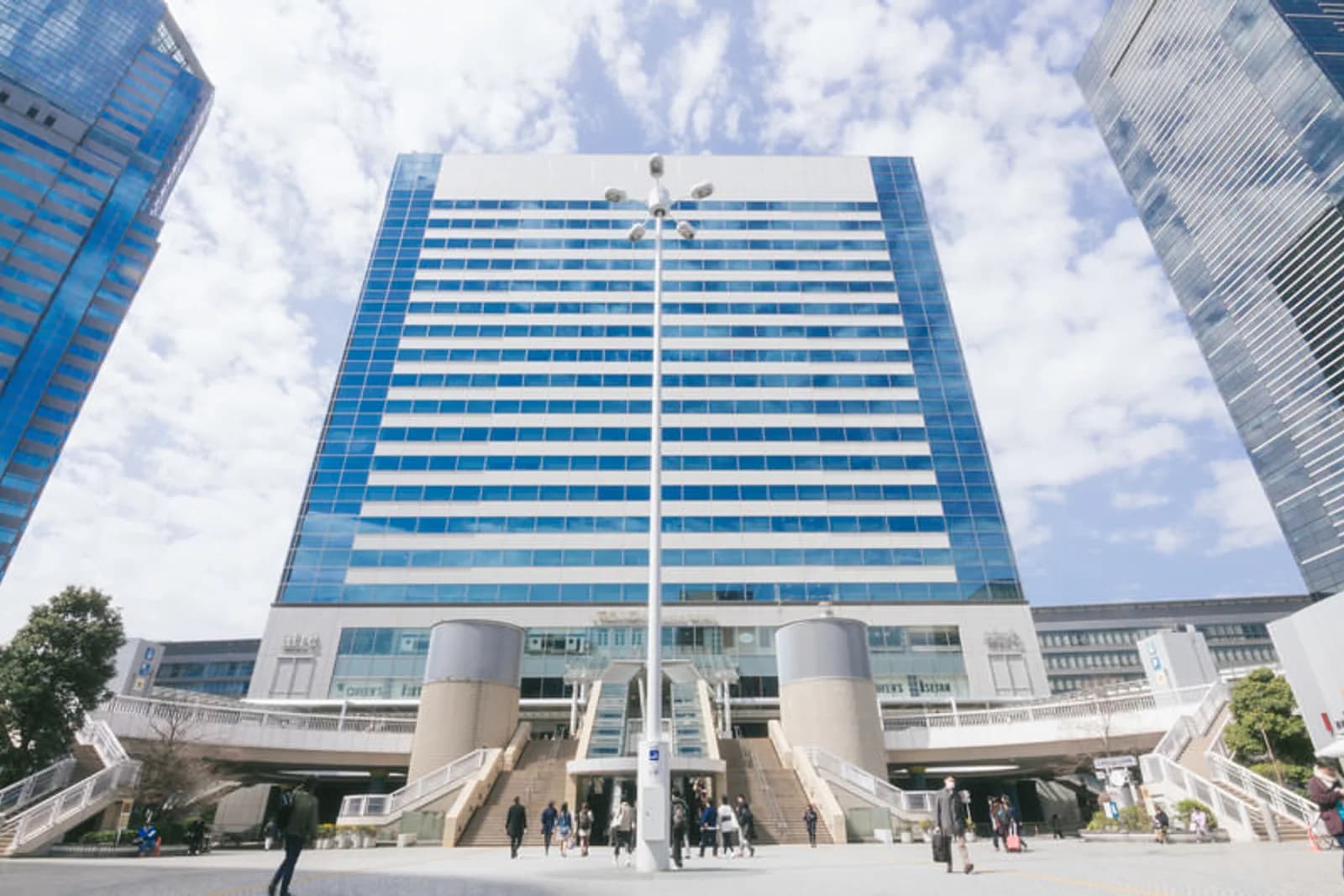
Shinagawa Station Konan Exit and nearby high-rise buildings in Tokyo
Photo by Jiyun / PAKUTASO

Stay area

Shinagawa

A transport-first base for Haneda access, business-style hotels, and Tokaido Shinkansen travel toward Kyoto or Osaka.

Best for

  • Haneda arrival or departure
  • Kyoto or Osaka by Shinkansen
  • business-style hotels
  • reduced logistics

Not ideal for

  • strong neighborhood identity
  • nightlife-first travelers
  • old Tokyo atmosphere

Why stay here

Shinagawa is best if you prioritize logistics, especially Haneda timing or Tokaido Shinkansen plans.

Trade-off

The trade-off is inspiration. Shinagawa solves movement more than it creates a memorable neighborhood base.

Nearby station context

Shinagawa Station is particularly relevant for Tokaido Shinkansen and Haneda-oriented movement.

  • Shinagawa Station
  • Takanawa Gateway Station
  • Tennozu Isle Station

Last verified: July 30, 2026

Read official Shinagawa area context

Booking options

Search after you choose the area fit

Some hotel links may be commercial links. Editorial recommendations are written independently and do not depend on commission.

Hotel search by recommended area

Use these links after you have narrowed the area fit. They route through the internal redirect layer so partner links can be managed without changing editorial copy.

No active partner offers are available right now. The area guidance remains available, and official area links are shown in each area card.

Trust and editorial standards

How this recommendation stays independent

This page may earn a commission if you use certain hotel links. That does not change which areas are recommended, and inactive partner offers are hidden automatically.

Area fit is based on traveler conditions such as arrival route, luggage, onward rail plans, and preferred atmosphere.

Official sources support area descriptions and transport context. Suitability phrases such as may feel easier or often works well for are editorial judgment.
Last reviewed: July 30, 2026

Sources

Sources and verification

Key facts use official references. Open the full register when you want to inspect every claim and review record.

15 documented referencesOfficial facts remain separate from editorial judgment.
Latest source check: July 30, 2026
Official destination guideGO TOKYO Area Guide
Open
Government researchJNTO 2025 visitor arrivals press release
Open
Government researchJapan Tourism Agency visitor environment survey
Open
View all sources15

Official travel and place information 10

GO TOKYO Area Guide

Tokyo area descriptions and official tourism context should be checked against GO TOKYO area guidance.

Official destination guide; low volatility; checked July 30, 2026; review semiannual

Official area guide used for destination and neighborhood context.

Open source
GO TOKYO Shinjuku

Shinjuku is a major western Tokyo district with transport, shopping, dining, and entertainment appeal.

Official destination guide; low volatility; checked July 30, 2026; review semiannual

Official facts only. Suitability and stress level are editorial judgment.

Open source
GO TOKYO Shibuya

Shibuya is associated with shopping, youth culture, and iconic modern Tokyo scenes.

Official destination guide; low volatility; checked July 30, 2026; review semiannual

Official facts only. Ease for first-night arrival is editorial judgment.

Open source
GO TOKYO Ueno

Ueno offers parks, museums, Ameyoko, and useful access to eastern Tokyo.

Official destination guide; low volatility; checked July 30, 2026; review semiannual

Official facts only. Traveler fit is editorial judgment.

Open source
GO TOKYO Asakusa

Asakusa is strongly associated with Sensoji, traditional streets, and eastern Tokyo atmosphere.

Official destination guide; low volatility; checked July 30, 2026; review semiannual

Official facts only. Transfer trade-offs are editorial judgment.

Open source
GO TOKYO Ginza

Ginza and the Tokyo Station area are central districts known for shopping, restaurants, and rail access.

Official destination guide; low volatility; checked July 30, 2026; review semiannual

Paired with Tokyo Station source for the combined area.

Open source
GO TOKYO Tokyo Station and Marunouchi

Tokyo Station and Marunouchi are useful for central rail access and onward travel.

Official destination guide; low volatility; checked July 30, 2026; review semiannual

Official facts only. Comfort positioning is editorial judgment.

Open source
GO TOKYO Roppongi

Roppongi is associated with dining, art, premium hotels, and nightlife.

Official destination guide; low volatility; checked July 30, 2026; review semiannual

Official facts only. Couple and family fit are editorial judgment.

Open source
GO TOKYO Akasaka

Akasaka offers central Tokyo access, dining, and a polished business district feel.

Official destination guide; low volatility; checked July 30, 2026; review semiannual

Official facts only. Recommendation fit is editorial judgment.

Open source
GO TOKYO Shinagawa and Tennozu

Shinagawa is relevant for Haneda access and Tokaido Shinkansen logistics.

Official destination guide; low volatility; checked July 30, 2026; review semiannual

Official facts only. Neighborhood identity trade-off is editorial judgment.

Open source

Public research and statistics 2

JNTO 2025 visitor arrivals press release

Japan inbound travel demand should be treated as a current, high-interest planning context.

Government research; medium volatility; checked July 30, 2026; review quarterly

Used for market context, not for area ranking.

Open source
Japan Tourism Agency visitor environment survey

Traveler friction around language, transport, and local services should be handled with practical guidance.

Government research; medium volatility; checked July 30, 2026; review quarterly

Used to support the product focus on reducing planning friction.

Open source

Commercial and editorial records 3

Booking.com Affiliate Partner Program

Booking.com is an accommodation affiliate candidate and terms should be reviewed before launch.

Commercial program record; high volatility; checked July 30, 2026; review monthly

Commercial configuration source, not editorial ranking evidence.

Open source
Agoda Partner Hub

Agoda is an accommodation affiliate candidate and terms should be reviewed before activation.

Commercial program record; high volatility; checked July 30, 2026; review monthly

Inactive in MVP seed data to verify hidden-offer behavior.

Open source
Japan Shortlist Editorial Policy

Area suitability, luggage stress, atmosphere, and trade-offs are editorial judgment rather than official facts.

Editorial standard; medium volatility; checked July 30, 2026; review quarterly

Used to distinguish decision guidance from official tourism facts.

Open source